

A toothache can make even simple things, like eating lunch or getting a good night's sleep, uncomfortable. You might notice pain when chewing, sensitivity to hot or cold drinks, or a tooth that keeps bothering you even when you are not eating.
Sometimes, these symptoms mean the inner part of the tooth has become inflamed or infected. In such cases, a dentist may recommend root canal treatment to help save the natural tooth instead of removing it.
What Is a Root Canal Procedure?
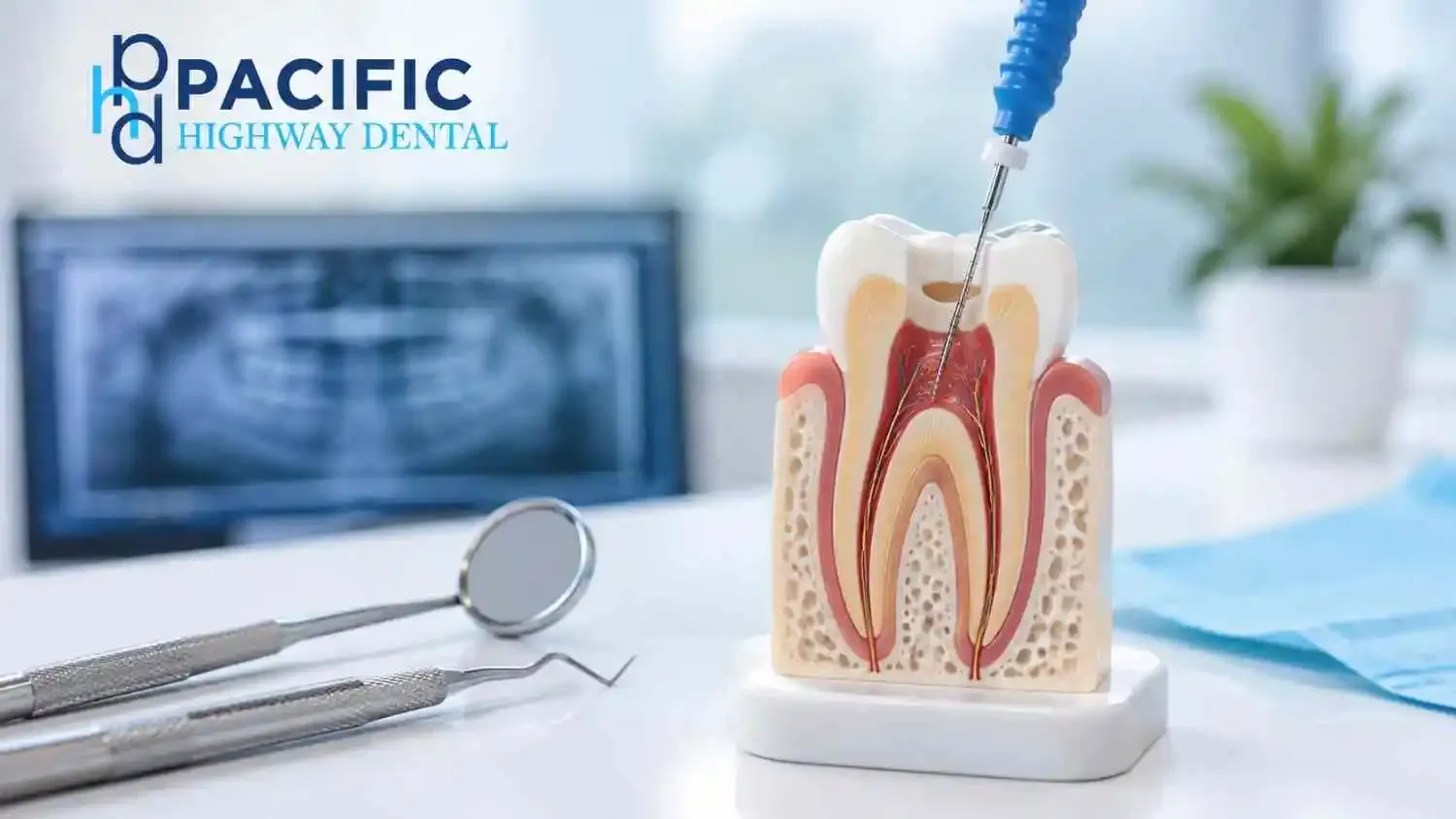
Inside every tooth is a soft tissue called the pulp, which contains nerves and blood vessels. Deep decay, a crack, or an injury can damage this tissue and allow infection to develop.
A root canal, also called an endodontic procedure, treats the problem inside the tooth. The dentist removes the affected pulp, cleans the inner canals, and seals the space to help prevent further infection.
The goal is to preserve your natural tooth whenever possible. Depending on the amount of damage, a crown may also be recommended to protect the tooth after treatment.
How Do You Know If You Might Need a Root Canal?
Not every toothache requires a root canal, so it is important to have the tooth examined rather than guessing the cause.
Some symptoms worth discussing with your dentist include:
• Tooth pain that continues or returns repeatedly.
• Sensitivity to hot or cold that lingers after the source is removed.
• Pain when biting or chewing.
• Swelling or tenderness around the affected tooth.
• A tooth that becomes darker than the surrounding teeth.
Sometimes, a damaged tooth may not cause obvious pain. A dental examination and X-rays can help identify what is happening beneath the surface.
If you develop facial swelling, fever, or difficulty swallowing or breathing, seek urgent medical or dental care. Difficulty breathing or swallowing requires emergency attention.
What Happens During Root Canal Treatment?
It is understandable to feel nervous if you have never had a root canal before. Knowing what to expect can make the appointment feel less uncertain.
First, the dentist examines your tooth. The examination and appropriate X-rays help determine whether root canal treatment is suitable.
Next, the area is numbed. Local anesthesia is used to help keep you comfortable during the procedure.
The infected or damaged pulp is removed. The dentist cleans and disinfects the inside of the tooth, then fills and seals the canals.
Finally, the tooth is restored. A filling or crown may be needed, depending on the tooth and how much natural structure remains.
Treatment time varies depending on the tooth and the complexity of the case. Your dentist can explain whether additional appointments will be necessary.
Caring for Your Tooth After Treatment
Your tooth may feel tender for a few days after the procedure. Follow the instructions provided by your dentist, and avoid chewing hard foods on the treated tooth until it has been properly restored.
Keep brushing and flossing as usual, while being gentle around any sensitive area. If pain becomes severe, swelling develops, or your symptoms do not improve, contact your dental office.
A treated tooth still needs regular checkups. Good oral hygiene and timely restoration can help protect it for years to come.
Root Canal Care at Pacific Highway Dental
Dr. Meenakshi Tomar, DDS, provides dental care at Pacific Highway Dental in Kent, Washington. If you are experiencing tooth pain or have been told you may need a root canal, a dental evaluation can help you understand the cause and the treatment options available.
The office is located at 27020 Pacific Highway South, Suite C, Kent, WA 98032. It is a convenient option for patients from Kent and nearby communities, including Covington, Des Moines, Federal Way, Renton, and SeaTac.
If a tooth has been bothering you, you do not have to wait until the discomfort becomes difficult to manage. Call Pacific Highway Dental at (253) 529-9434 to arrange an appointment and discuss your concerns.